
New lawns from sod or seed, on ground that has been prepped to hold them.
Bare dirt after a project, thin grass that never filled in, a yard that is more weeds than lawn. Those are the jobs where sod or seed comes in. Either one only works as well as the ground under it, so we start by clearing out what is there, getting the soil loose and level, and making sure water runs away from the house instead of toward it.
If the yard has low spots or drains badly, that gets fixed first. New grass on bad grading just washes out or drowns.
Sod gives you a finished lawn the day it goes down. It costs more, but it is the fastest way to cover bare ground, it holds soil in place on slopes, and it keeps mud out of the house while it roots in.
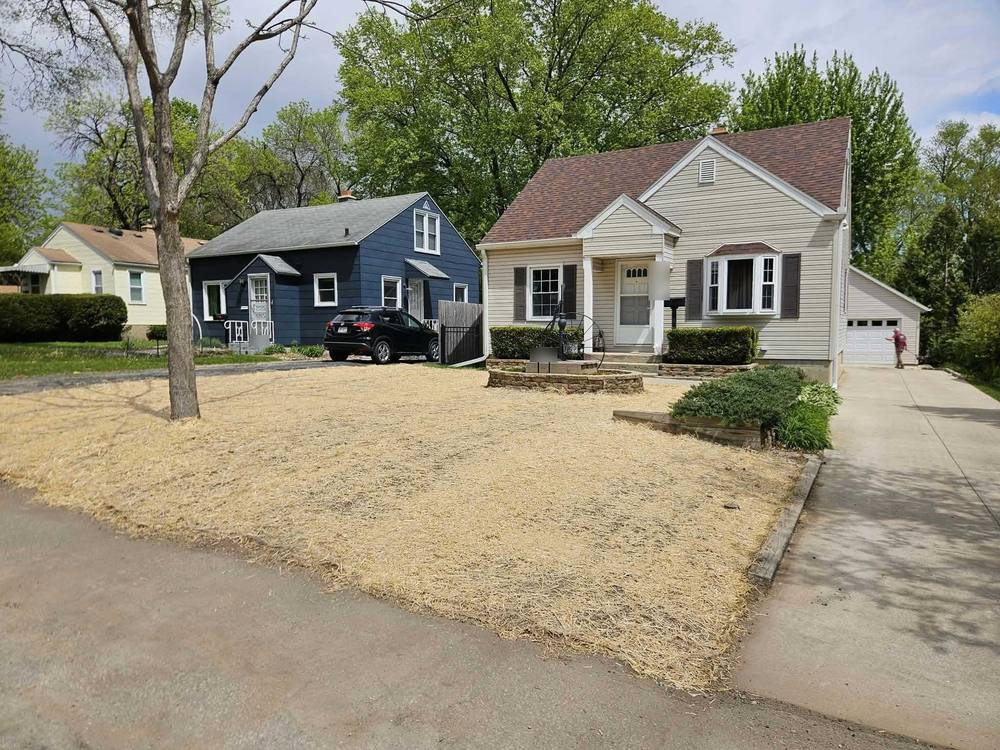
Seed costs less and works well for larger areas or thin spots in an existing lawn. It takes patience. The seed is covered with straw to hold it in place and keep it damp, and it needs steady watering until it fills in. Late summer into early fall is generally the best time to seed in southern Wisconsin.
We will look at the yard, the slope and the timing, and tell you which one makes sense.
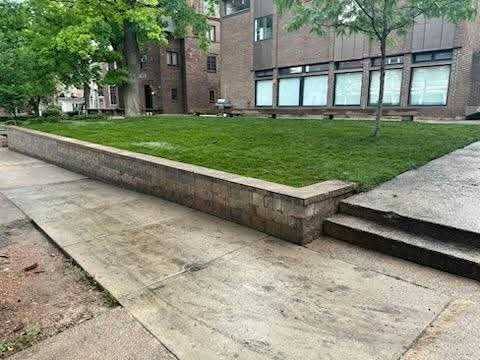
A front yard we seeded, covered in straw right after, and the same yard once the grass filled in.

"Ben restored my front yard from a mix of weeds, gravel, and wood chips to a nice lawn. They also built a nice walkway and installed a paver facade on our ugly old stoop. Everything turned out awesome."
Andy
A new lawn is usually the last step of a bigger project. These are the jobs it most often finishes off.
Tell us about the yard and we will come take a look. Give us a call at 608-444-4206 or Request an Estimate

Transforming yards with a Personal Touch